
22nd Doharaa: 'Thum Paatas Paasee Paras...'
Dhan Dhan Kalgidhar Maharaj, Chittey Baja Wale Paatshah, Neela-Ghorr Asvaar, Sarbans Daani, Dasmesh Pita Ji Sri Guru Gobind Singh Sahib Ji Maharaj
-
ਤੁਮ ਪਾਟਸ ਪਾਸੀ ਪਰਸ ਪਰਮ ਸਿੰਧ ਕੀ ਖਾਨ॥
Thum Paatas Paasee Paras Param Si[n]dhh Kee Khaan
ਤੇ ਜਗ ਕੇ ਰਾਜਾ ਭਏ ਦੀਅ ਤਵ ਜਿਹ ਬਰਦਾਨ॥੨੨॥
Thae Jag Kae Raajaa Bha-ae Dheea Thav Jih Bardhaan
-
A lot of Shastars are similar in nature and can make their definition quite hard. We hear of a Shastar which has not been mentioned before: the Patissa. It is a double-edged sword. Seeing a double-edged sword, one would just think it is a Khanda and some may just classify the Patissa as another type of Khanda but there are some differences which people have raised.

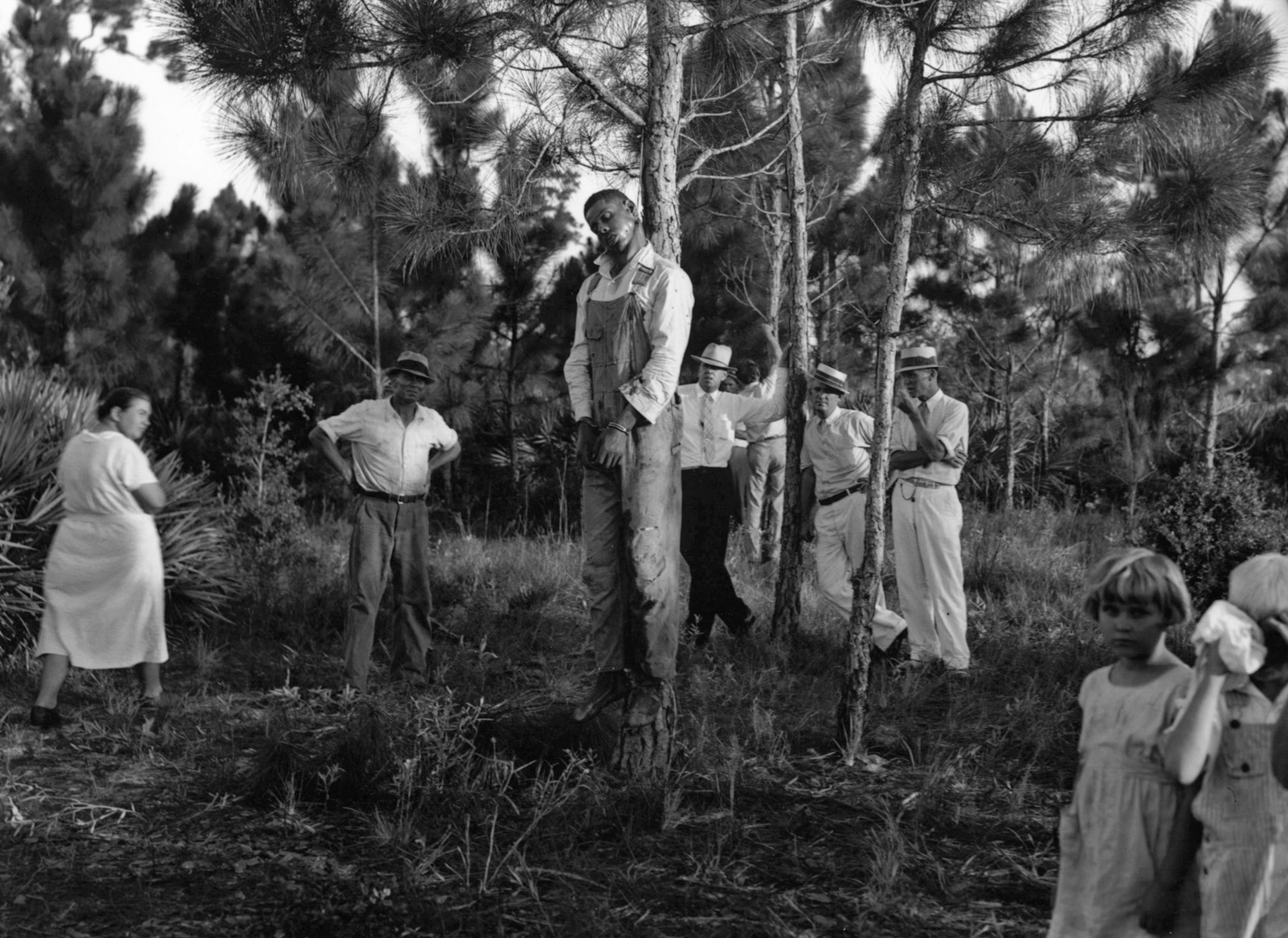
A lot of the modern world does not punish criminals using weapons such as guns or swords. These means are seen as quite brutal and gory. The majority of western countries have outlawed punishment by death but some places still have death sentences. The most common death sentences have happened through the noose. The United States, Japan, Singapore, and Taiwan still have the death sentence (not in every jurisdiction or not for all crimes but in specific circumstances and often for heinous crimes). These are the countries that have openly mentioned in law that the death penalty is legal but there are many countries which participate in extrajudicial killings. There are many Sikh Shaheeds that have been killed through hanging.
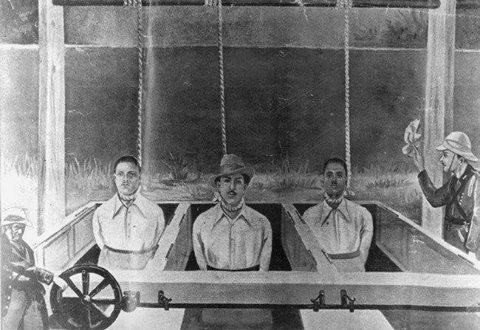
Bhagat Singh was one of the revolutionaries that fought for India's Independence from British Raj. The British had done a lathi charge against protestors which led to the death of Lala Lajpat Rai (another famous revolutionary). Bhagat Singh took revenge, exploded a bomb in the legislature among many other acts. The involvement of Bhagat Singh in his feats is up for contention as contemporary revolutionary Bhai Sahib Bhai Randhir Singh explains that Bhagat Singh claimed the acts as his own because of the growing fame attached to them. This is also something everyone should be aware of. We have highlighted the point many times that with shastars comes a great responsibility. The spiritual warrior does not wield their weapon out of anger, pride or any other form which pleases their ego. It is for the purpose of maintaining righteousness. If people are continued to be persecuted and no one is helping them then the Khalsa steps up for them in order for the persecution to stop. Bhagat Singh was hanged in 1931.
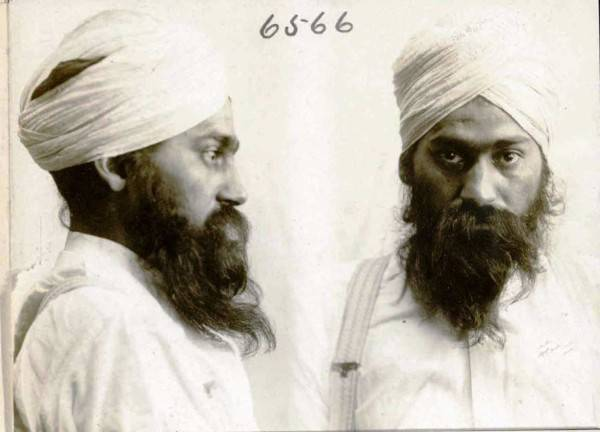
Following the Komagata Maru incident (where many South Asians were turned away in a boat that travelled for days to land in British Columbia, Canada) and the many forms of persecution of Sikhs in Canada, Shaheed Bhai Mewa Singh took the steps so they would not be persecuted moving forward. There were many events such as the British government taking away voting rights of Sikhs and creating anti-Sikh immigration policy, assassinating Sangat in the Gurdwara (Bhai Bhaag Singh and Bhai Bathan Singh through informant Bela then death threats from Inspector Hopkinson). Bhai Mewa Singh shot and killed Inspector Hopkinson then was hanged in 1915 for his brave actions. The following was recorded in court:
My religion does not teach me to bear enmity with anybody, nor had I any enmity with Mr. Hopkinson. He was oppressing poor people very much. I, being a staunch Sikh, could no longer bear to see the wrong done both to my countrymen and the Dominion of Canada. This is what led me to take Hopkinson’s life and sacrifice my own life. And I, performing the duty of a true Sikh and remembering the name of God, will proceed towards the scaffold with the same amount of pleasure as a hungry baby goes towards his mother.
-
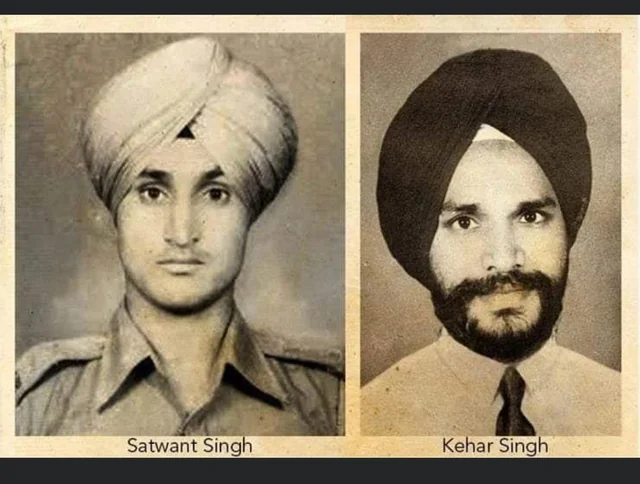
Likewise during the late 1970s to early 1980s, Indian Prime Minister Indira Gandhi had created an enmity with the Khalsa. This culminated with her commanding the Indian Army to attack the Darbar Sahib complex in June 1984. Her own body guards had visited Darbar Sahib on October 20th and were heartbroken at the results of the Indian Army's attack. They were set on stopping continuous attacks on the Sikhs. They assassinated the Prime Minister on Halloween day - October 31st 1984. The Western world hands out candies as part of Halloween but Sikhs celebrate the day where the brave Sikhs defeated a tyrant.
They were hung in 1989.
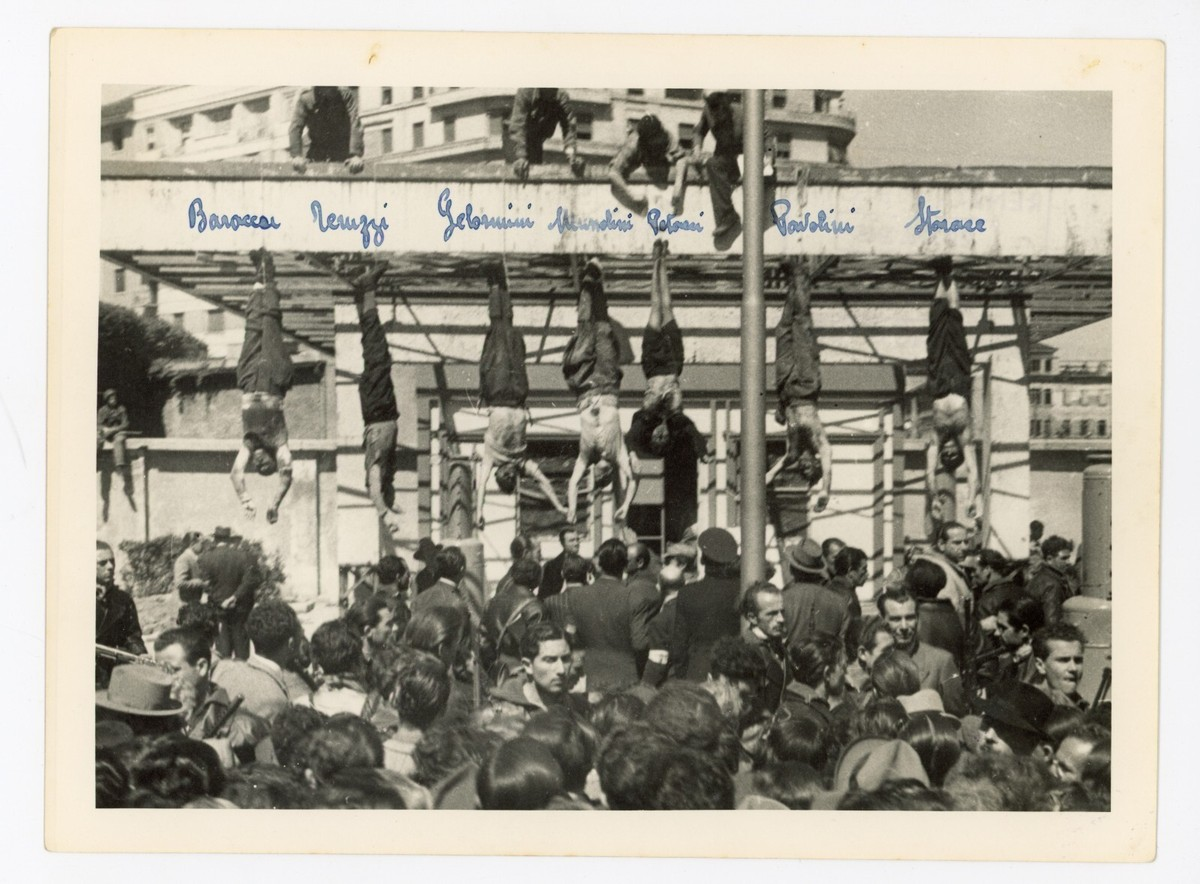
In South Asia, many accepted the death penalty when standing up for what was right and stopping adharma. So the noose is used in a poetic manner and often, synonymous with the word: Shaheedi. In places like the United States, the noose has been a symbol for lynching black people and also, for killing women in the name of witch hunting. Towards the end of World War II, the noose was synonymous with the death of fascism in Italy: public hanging of Mussolini and many of the Nazi war criminals were also hanged after the Nuremberg trials.
WARNING: THE FOLLOWING PHOTOGRAPHS ARE GRAPHIC
According to Mahaan Kosh’s definition of Sidhhi, it means a miracle or an out-of-the-world power (ie supernatural). It can also refer to being successful, getting liberation, intelligence, wealth, victory but also 8 specific Sidhhiyan (supernatural powers).
8 main Sidhhiyaa:
1) Animaa - becoming really small
2) Mahimaa - becoming big
3) Garimaa - becoming really heavy
4) Laghimaa - To become very light
5) Praapathee - To attain whatever the mind desires
6) Praakaamay - Reading minds
7) Ishithaa - To be able to convince others of what's on your mind
8) Vashithaa - To win over others
(according to Mahaan Kosh, the understanding of the main 8 Sidhhi’s may vary depending on who you ask, there are also 10 smaller powers creating a total of 18 Sidhhi or Attareh Sidhh[i])
-
The Sidhhee’s are mentioned in Gurbani many times.
ਚਤੁਰ ਸਿਆਣਾ ਸੁਘੜੁ ਸੋਇ ਜਿਨਿ ਤਜਿਆ ਅਭਿਮਾਨੁ ॥
Chathur SiaaNaa Sughar[u] So-i Jin[i] Thajiaa Abhimaan[u]
That person is clever, wise, sensible who renounces their ego
ਚਾਰਿ ਪਦਾਰਥ ਅਸਟ ਸਿਧਿ ਭਜੁ ਨਾਨਕ ਹਰਿ ਨਾਮੁ ॥੪॥
Chaar[i] Padhaarathh Ast Sidhh[i] Bhaj[u] naanak Har[i] naam[u]
Guru Sahib teach: The Four Padhaarathh, Eight Sidhhi’s are attained by meditating on the Name of Vaheguru
(Dhan Dhan Sri Guru Arjan Dev Ji in Raag Gourree, Ang 297)
ਸਿਧਿ ਕੋ ਸਰੂਪ ਹੈ ... ॥
Sidhh[i] Ko Saroop Hai
Oh You are the Form of all of the Sidhhi’s manifested
(Dhan Dhan Sri Guru Gobind Singh Ji in Akaal Ustat)
In both Dharmic and Abrahamic traditions, there are many examples of Vaheguru bestowing the wishes of various kings over time. We can list a few to show the Timelessness of the Almighty Vaheguru.
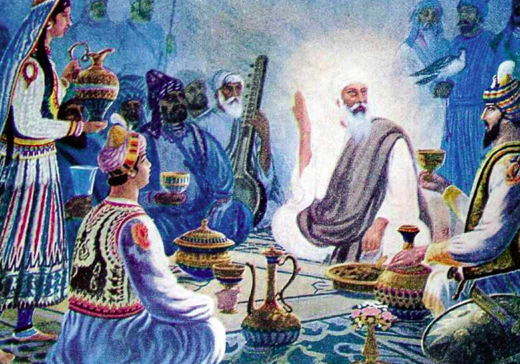
Within Sikhi we can remember the time when Emperor Babar had Darshan of Guru Nanak Dev Ji. At first he met with hostility but then realizing who Guru Sahib were, he asked for blessings. Guru Maharaj had said that the Mughals would continue to reign so long as they had righteousness in their rule.
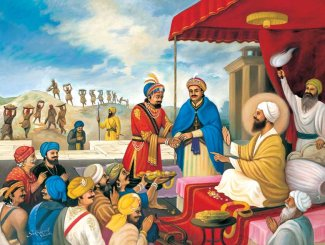
Another example is that of Raja Raam Rai. This king from Assam had did a Benti to Guru Tegh Bahadur Ji for a son to succeed him and Guru Maharaj had blessed him. According to the commentaries, Vaheguru - Themselves are the kings which ask for the boons and the boon bestowers as well. Just like in So Purakh, Dhan Guru Ramdaas Sahib Ji Maharaj teach us:
ਇਕਿ ਦਾਤੇ ਇਕਿ ਭੇਖਾਰੀ ਜੀ ਸਭਿ ਤੇਰੇ ਚੋਜ ਵਿਡਾਣਾ ॥
Ik[i] Dhaathae Ik[i] Bhaekhaaree Jee; Sabh[i] Thaerae Choj VidaaNaa
It is the One-Vaheguru who is the Giver and the One-Vaheguru who are the Beggar, It is all part of Your Playfulness..
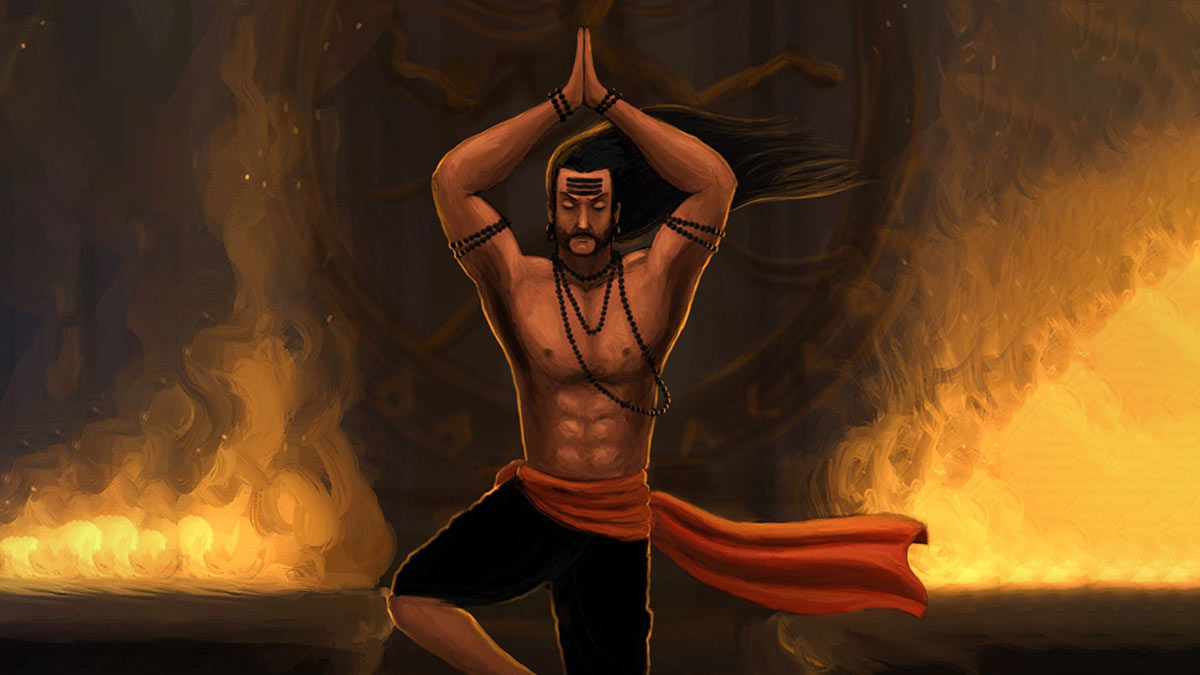
The king of Lanka - Raavan - was given the ability to not die from the hands of angels (devte) or other non-human beings (ultimately killed by a human and monkey army).
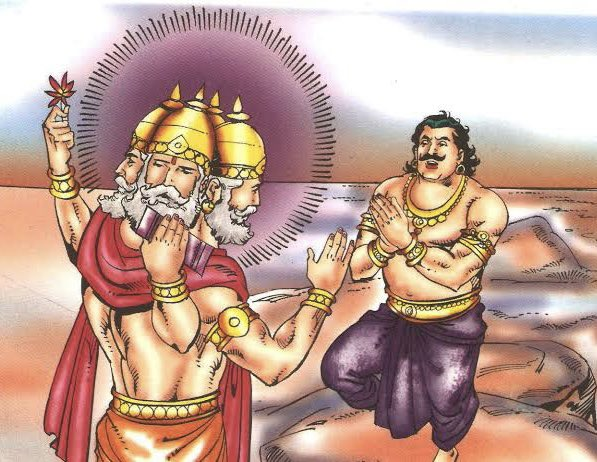
The demon king - Harnaaksh - was given the ability to not die inside or outside, nor at day nor at night, neither by human nor animal nor weapon, nor on the ground nor in the sky (ultimately killed by Narsingh Avatar).
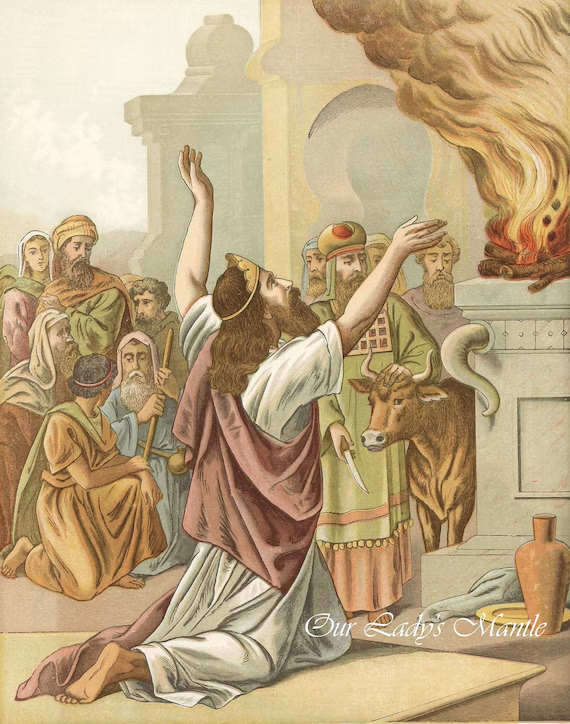
King Solomon/Suleyman asked for the wisdom to rule his people and so, was blessed with wisdom, wealth, and a long reign. Dhul Qarnayn was given power in the East and West of his region and built a barrier against Gog and Magog/Yajuj and Majuj. Countless examples around the world.
-
Ultimately, anything we want should be asked for from Vaheguru. May Vaheguru put righteous desires in our minds, may we do ardaas for them to come into fruition then become thankful to Vaheguru that they chose us to carry out Their Dharam.